Skip to content

The best dust extraction for a small workshop

Wood dust is classified as a Group 1 carcinogen by the IARC, and the harmful fraction is the part you cannot see. This is the guide on this site we would most like you to read.

Three layers, and they do different jobs

At the port, extraction sized to the machine — high volume for a 100 mm port, high pressure for a narrow hose. On your face, FFP3 rather than FFP2: 99% against 94%, for a couple of euros. In the air, an ambient filter for what escapes the first two, because the fine fraction stays airborne for hours after you stop.

The cheapest improvement here

A cyclone separator at €30. It drops the bulk into a bin before it reaches the extractor, so the filter stays clean and the suction stays up — and it pays for itself in filter bags within months.

Hose diameter beats extractor power

Flow falls sharply as diameter drops. Reducing a 100 mm (3.94 in) port to a 50 mm (1.97 in) hose can leave a chip collector performing worse than a vacuum. Match the hose to the port, keep the run short and straight.

Which saw fits your shop?

You use a planer or a saw
You need volume of air, which means a chip extractor rather than a vacuum.
You use sanders and routers
You need suction at a small port, which is a workshop vacuum's job.
You have one machine at a time
A single mobile unit moved between machines is more effective than a permanent installation done badly.
You are worried about fine dust
Capture at the machine and filtration are two different problems, and both need answering.

Picking by the cut you need

Chips from planers and saws

Large volume, coarse material. Air volume matters and suction does not, which is why a vacuum chokes on it.

Fine dust from sanders

Small volume, fine particles, small ports. Here suction matters and volume does not.

Sweeping the floor

What a workshop vacuum does well and a chip extractor does badly, because the hose is too large.

Cleaning the air

An air filter deals with what escapes capture. It is a complement to extraction, never a replacement for it.

What matters once the blade is turning

Air volume versus suction
The distinction that governs everything. Chip extractors move a lot of air at low pressure; vacuums pull hard through a small hose. They are not interchangeable.
Filtration grade
A bag that passes fine dust simply redistributes the most harmful fraction into the air. Filtration is the point, not the collection.
Hose diameter and length
Every reduction and every meter costs performance. A long thin hose on a chip extractor throws away most of what it can do.
Noise
In a small workshop this decides whether the extractor is switched on. An extractor that is not used protects nobody.
Capture at the machine
The hood and port design at the machine matter as much as the extractor. Dust not captured at source is dust in the room.

Which figure for which cut

The machineWhat it needsWhat fails
Planer or thicknesserHigh air volumeA vacuum, which clogs
Random orbit sanderSuction at a small portA chip extractor, which does nothing
Table sawVolume, above and belowBelow-table capture only
Air in the roomA filter unitRelying on it instead of capture

Where it goes wrong in the shop

Using a vacuum on a planer
The volume of shavings blocks a vacuum hose within seconds. It is the wrong tool for that machine, not an underpowered one.
Judging a system by what you can see
The visible chips are the harmless part. The fine dust that stays airborne is the fraction that matters for health.
Reducing the hose to fit a port
Every reduction costs performance disproportionately. Better to make an adapter that keeps the diameter as far as possible.
Relying on an air cleaner instead of capture
An air filter cleans what has already escaped and entered your breathing zone. Capture at source is what prevents that.

By the woodworker you are

The hand-tool leaning shop
A workshop vacuum and a good sander port covers most of it, with an air cleaner for the rest.
The machine shop
A chip extractor with proper filtration, moved between machines, plus a vacuum for sanders.
The small space
One good mobile unit used properly beats a permanent ductwork system built without enough air volume.

Blades, alignment and working life

Extraction performance falls as filters load, and it falls quietly. A bag or cartridge that looks fine can be passing far less air than it did, and the first sign is usually chips left behind at the machine.

  • Clean or replace filters on schedule rather than when performance is obviously poor.
  • Empty bags before they are full: a full bag chokes airflow long before it overflows.
  • Check hoses for blockages and splits, which lose suction invisibly.
  • Keep the impeller clear; a blocked impeller loses volume dramatically.

Safety

Wood dust is a health hazard, and fine dust is also a fire and explosion consideration in quantity.

  • Wear respiratory protection for sanding and for machining wood, even with extraction running.
  • Do not extract hot material or sparks into a bag: that is a fire risk.
  • Earth or bond long plastic ducting runs where static can build.
  • Keep the workshop swept: settled dust becomes airborne every time you move.

Prices quoted in this text were read on 2026-08-12. The live price is at the top of the page.

Our picks, and the case for each

What comes up most often

One machine or two?

Two, usually. A chip collector for 100 mm (3.94 in) ports on planers and saws; a workshop vacuum for 32–35 mm (1.26 to 1.38 in) hoses on sanders and routers. Each collects almost nothing in the other's role.

Class L or class M?

M lets through a tenth of the fine fraction that L does. For hardwood in an enclosed workshop, M — and the price difference is smaller than most people expect.

Vacuum or chip extractor?

A vacuum for sanders and routers, where you need suction through a small port. A chip extractor for saws and planers, where you need volume of air.

Is the visible dust the problem?

No. The chips you can see are the harmless fraction; the fine dust that stays airborne is what matters for health, and it is the part filtration addresses.

Does an air cleaner replace extraction?

No. It cleans what has already escaped into the room. Capture at the machine is what stops the dust reaching your breathing zone.

Why does my extractor seem weaker than it was?

Almost always a loaded filter or a partly blocked hose. Both reduce airflow gradually enough to go unnoticed.

Can I use one extractor for everything?

In a small shop, one good chip extractor plus a vacuum is the usual answer. Trying to do sanders on a chip extractor rarely works well.

Do I still need a mask?

Yes for sanding and machining. Extraction reduces exposure considerably; it does not eliminate it.

Each saw, and the cut it was bought for

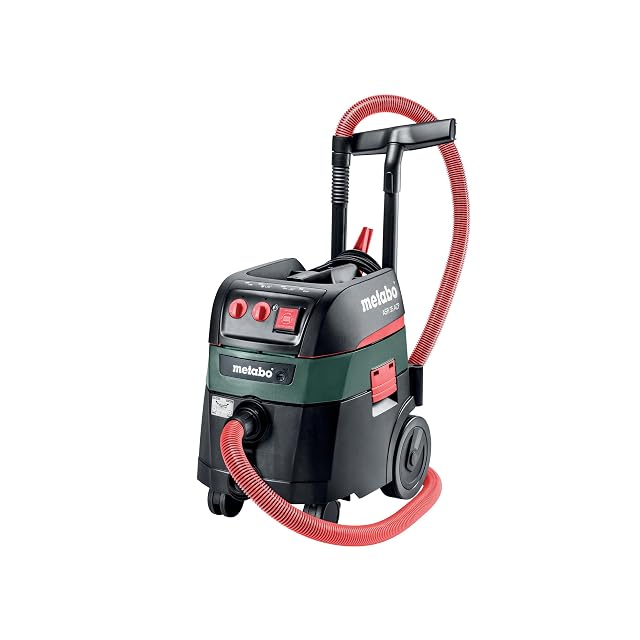
Metabo ASR 35 M ACP

For cutting: Hardwood work in an enclosed workshop, where the fine fraction is the point
Where it shines: Class M — the class to look for if you cut hardwood indoors

Where it disappoints: No current price on amazon.com

Read the full review →

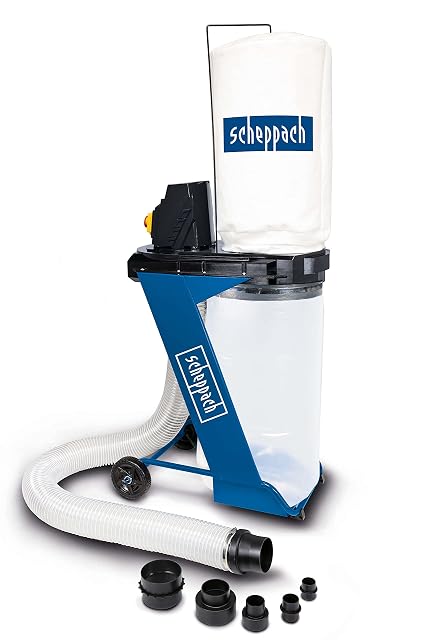
Scheppach DC500 · $380

For cutting: A planer, a table saw or a band saw with a 100 mm (3.94 in) port

Where it shines: A genuine chip collector rather than a vacuum sold as one

Where it disappoints: The listing publishes no airflow figure and no filter class

Read the full review →

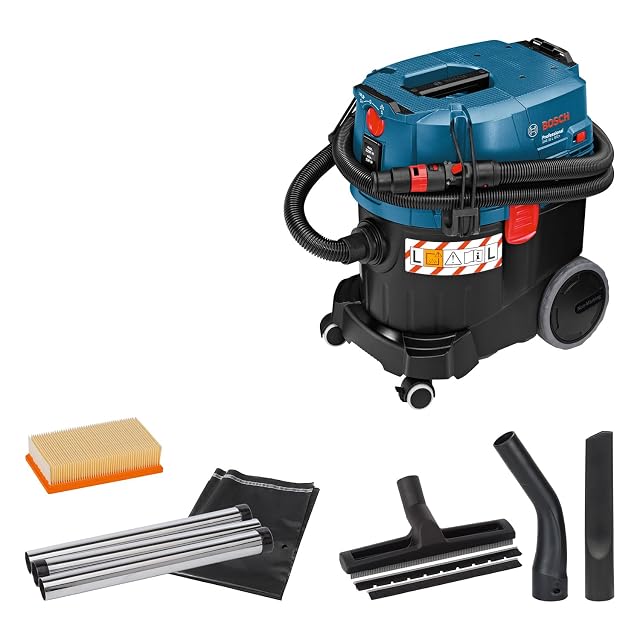
Bosch Professional GAS 35 L SFC+

For cutting: Site and workshop extraction where suction has to stay constant all day

Where it shines: Semi-automatic filter cleaning, which keeps airflow up through a long job

Where it disappoints: Class L, not M — see below if you cut hardwood

Read the full review →

What each band of spend cuts

What else the cut needs

Blades, inserts and spares from the same aisle, at the price we recorded. Check they fit the saw you pick before ordering: it depends on the bore and the part number, which the listing states.

The quick cut

Pairings that settle the choice

Saw against saw, where the comparison already exists in this guide or this aisle.

How this selection was built

The saws above are drawn from the catalog of this site. Specifications are the published ones, from the maker and from the Amazon product page; prices are the Keepa figure for the date below, and both shift. Ranking uses declared specifications, the balance of stated strengths and stated limits, and price. No machine here has cut wood for us, and the page claims nothing else.

Last checked on

The tool we use ourselves

Chosen your machine? Now buy it at the right price.

Table saws and planers swing by a hundred dollars or more across the year, and the biggest "discounts" often land at prices the same model sold for six weeks earlier. UniverTrack tracks the real price history across retailers, spots fake reductions, and alerts you when it is genuinely the moment to buy.

Real price historyBuy-now alertsAI buying assistant
Try free for 14 days →
No commitment · Cancel in one click · 5 languages