Every figure is a manufacturer specification, read off the
listing itself, and the judgments are ours — drawn from how the
specification behaves in this class of machine and from what long-term
owners consistently report. Where a figure is missing, we say so rather
than fill it in.
What the specification says
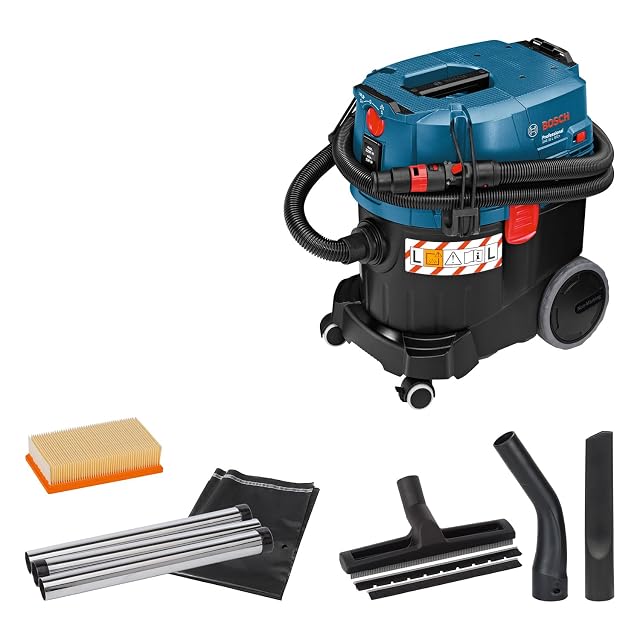
Dust class M, wet and dry, ACP automatic filter cleaning, part number 602058000.
Dust class L or M — the letter that matters
European workshop vacuums carry a dust class. L lets through up to
1% of the dust it collects; M lets through up to 0.1%, ten times
less. Both look identical and both say “dust extraction” on the box.
Wood dust is classified as a Group 1 carcinogen by the IARC, and the
harmful fraction is the fine one that a filter either holds or does not.
For hardwood in an enclosed workshop, M is the class to look for. An
L-class machine is not useless — it collects chips perfectly well — but
it returns ten times more of the fraction you cannot see to the room you
are standing in.
This is the machine that sits on the right side of that paragraph, and it is the
reason it leads the extraction hub rather than the cheaper Bosch.
Is this the ASR 35 L ACP?
No. We searched for the L-class version and the listing that came back is the
M-class ASR 35 M ACP, part number 602058000. Given that the letter is the
entire specification, that is a difference worth being precise about — and it
happens to be the better machine.
Two machines, not one
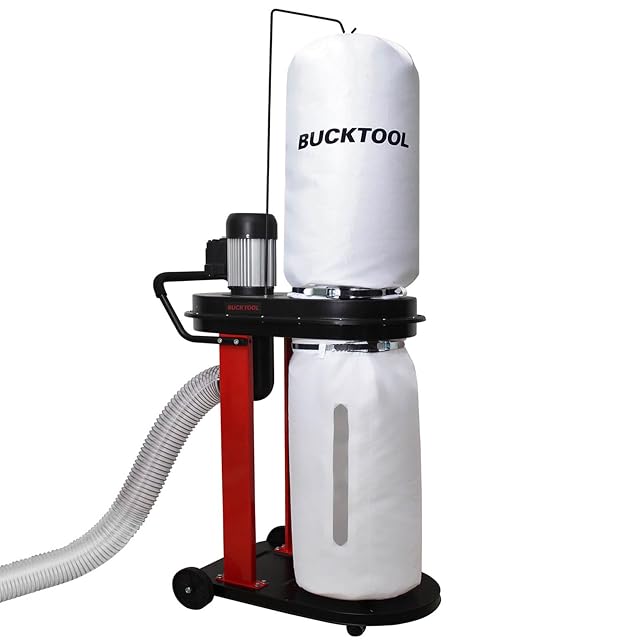
A chip collector moves a large volume of air at low pressure. It
suits a 100 mm (3.94 in) port on a planer, a table saw or a band saw, where the
waste is bulky and the duct is wide.
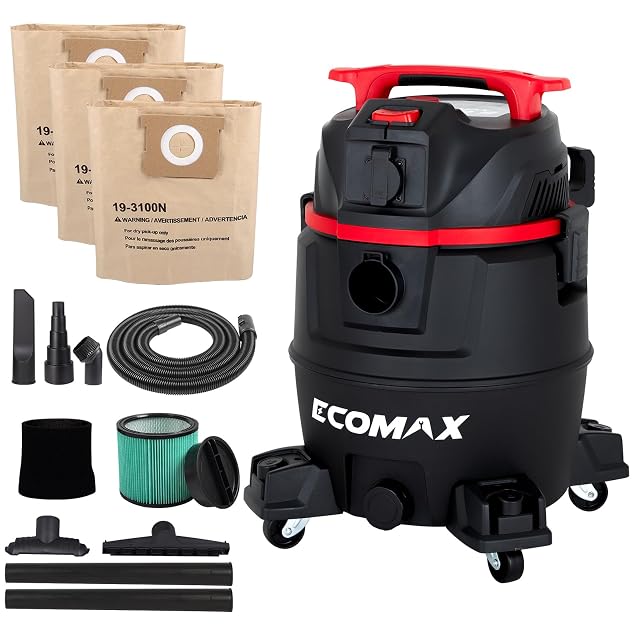
A workshop vacuum moves a small volume at high pressure. It suits a
32 or 35 mm (1.38 in) hose on a sander, a router or a track saw, where the waste
is fine and the port is narrow.
Swap them and each collects almost nothing, while sounding exactly as
though it is working. It is the most expensive misunderstanding in the
category, and no listing explains it.
The price spread is extreme
€575 in Germany, €605 in France, €619 in Britain, €991 in Italy, €1,181 in
Spain. Same reference, same barcode. On this machine, checking your own store is
worth €600.
Prices quoted in this text were read on 2026-08-12. The live price is at the top of the page.