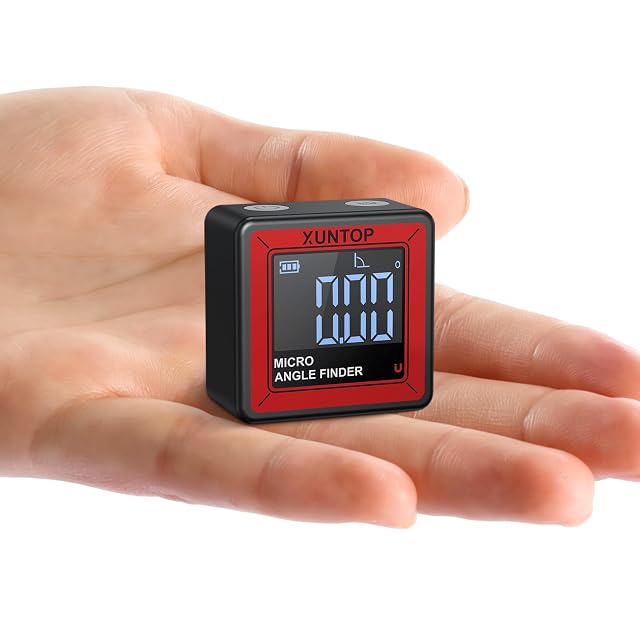
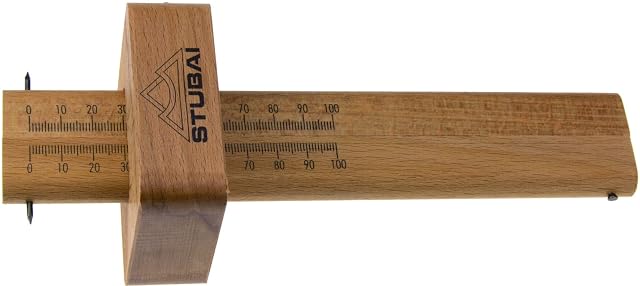
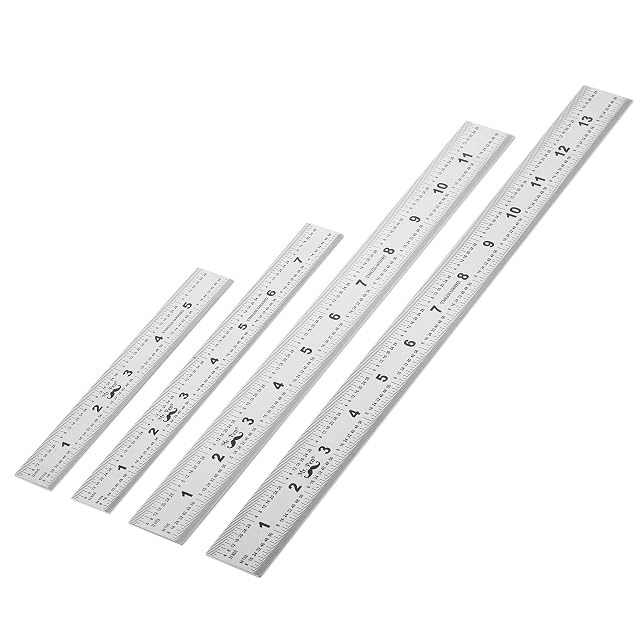
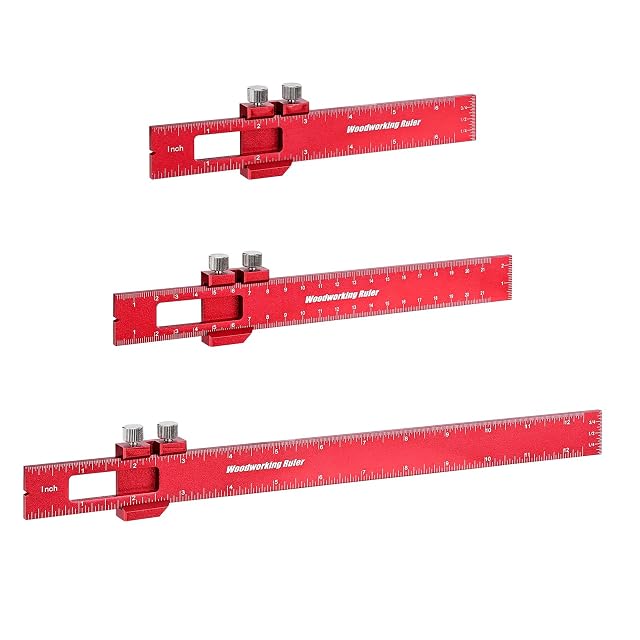
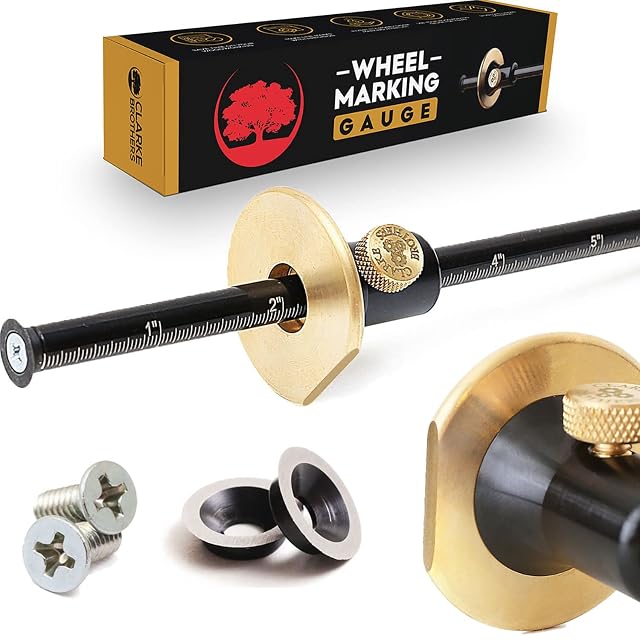
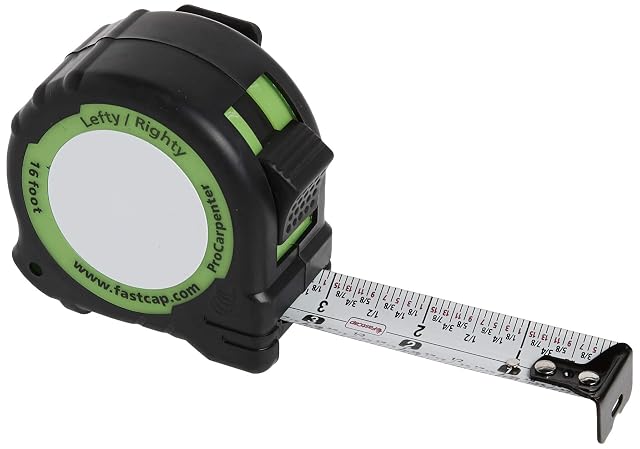
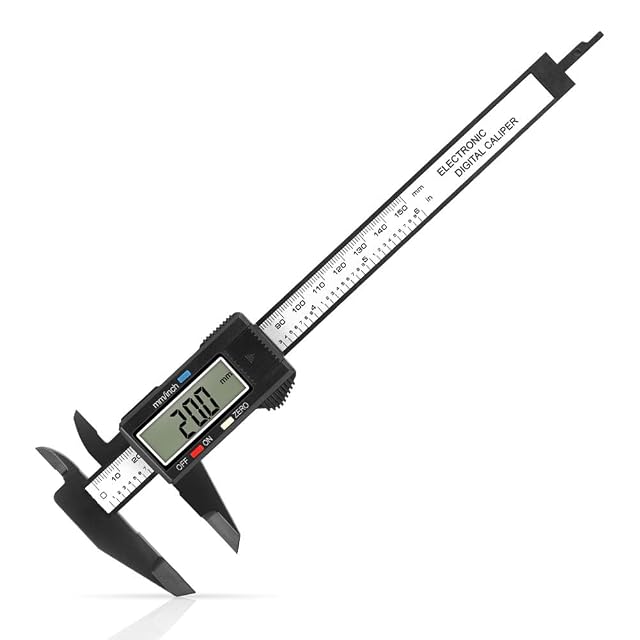
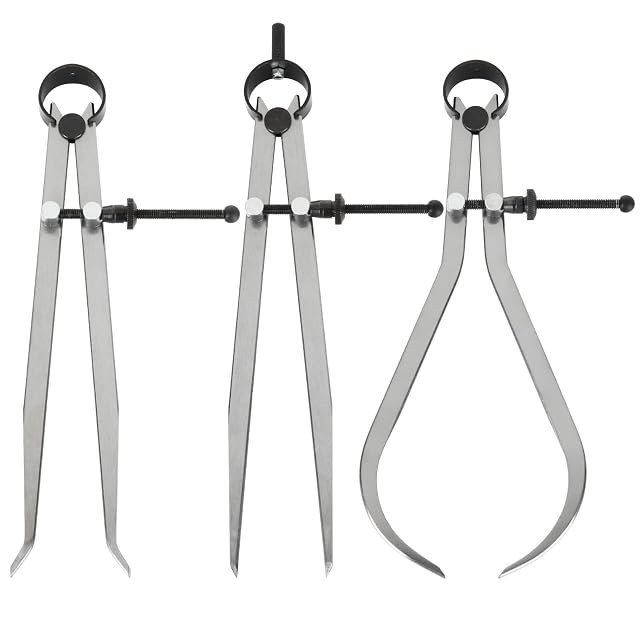
Every error in a piece of furniture starts as a marking error. We compare squares against their stated tolerance, digital angle gauges, marking knives against pencils, and the gauges that make repeat joinery repeatable.
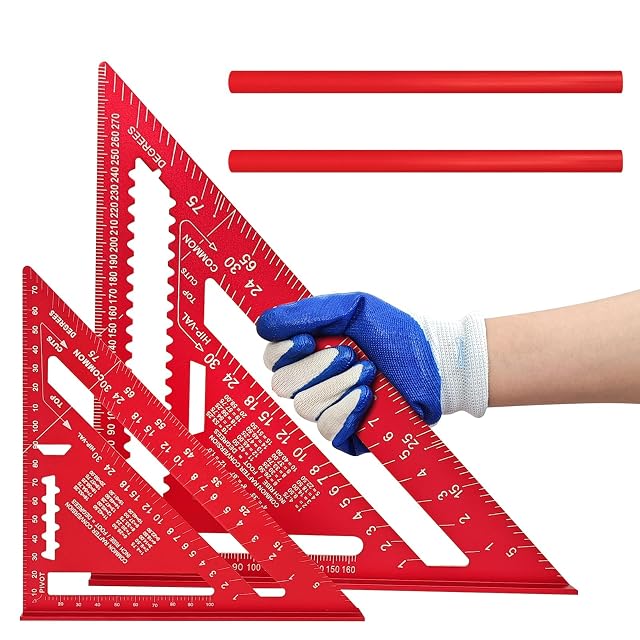
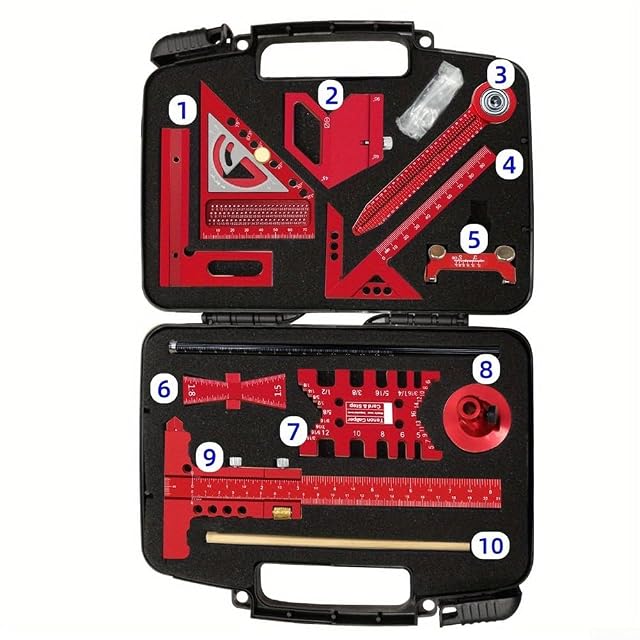
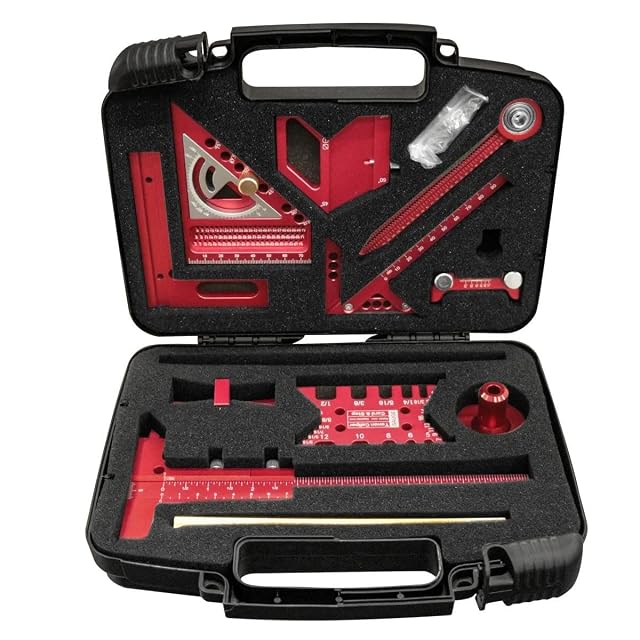
A kit whose own title gives two different counts — and the only one on this shelf to publish its case size.
Contents
The title says 9 Piece and then (10 Pieces.) · The first feature says a 9-piece kit · The part number reads 10PIECES · Named within it: an angle ruler, a dovetail gauge, a scriber and other marking tools
A checked reference square is the instrument every other one depends on. Without it, you set machines against an error.
Everyday marking out
A marking gauge, a steel rule and a fine pencil cover the essentials. A carpenter's pencil does not draw a joinery line.
Setting up machines
A dial indicator or a precision rule lets you check parallelism to a hundredth, which no shop-bought square will show.
What each advantage costs, on measuring & marking
A reference square costs as much as three squares
A certified engineer's square costs several times a DIY square, and it serves as the reference for the whole workshop. It is a one-off purchase.
Digital against mechanical
Digital reads quickly and lives on batteries; mechanical never fails and demands that you can read a vernier.
Versatility against trueness
Combined instruments do several things moderately. For checking, one dedicated, verified instrument beats three approximate functions.
Before buying measuring & marking
How do I check that a square is true?
Draw a line against a straight edge, flip the square and draw again. If the two lines coincide, it is true; otherwise the error is half the gap.
Do I need callipers in woodwork?
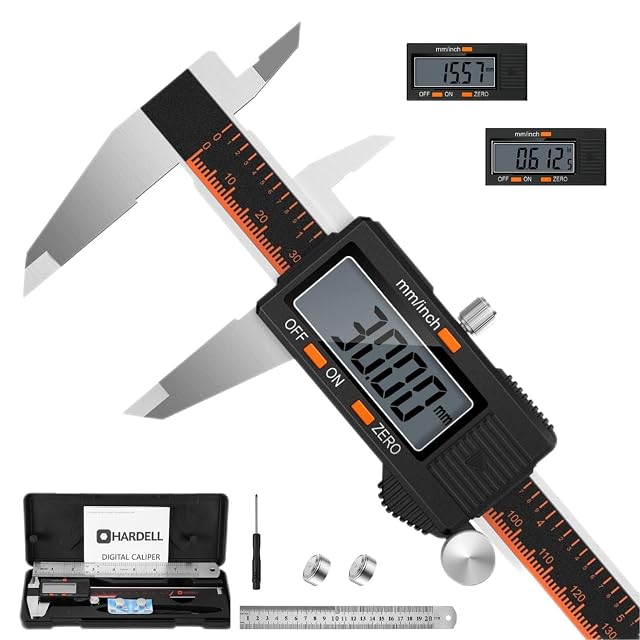
For panel thickness, tenons and cutter diameters, yes, and they cost little. Accuracy to a tenth is amply enough in wood.
What pencil for marking out?
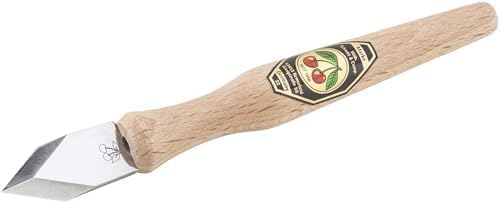
A fine pencil or a knife line. A carpenter's line is half a millimeter wide, which is already the error you are trying to avoid.
What is a marking gauge for?
Drawing a line parallel to an edge, with a precision and repeatability no rule gives. It is the central marking tool in hand joinery.
Does wood change dimension?
A great deal, with humidity, especially across the width. Measuring to a hundredth a piece that will move several tenths with the season only makes sense for immediate assembly.
Do my instruments need calibrating?
It is enough to have one checked reference and to compare the others against it from time to time. A whole workshop set against a false square produces false pieces.
Tape measure or rigid rule?
The tape for lengths, the rigid rule for anything that has to be true. A tape has hook play, which is enough to ruin a joint.
Why does a tape measure's hook wobble?
That play equals the hook's own thickness, so the reading is right whether you push or pull. A hook that no longer moves puts a one-millimeter error in, always in the same direction.
What to remember about measuring & marking
A workshop is set against its instruments: one checked reference square is worth more than three ordinary ones. Mark fine, check your instruments against one another, and remember that wood moves more than your measuring errors do.
A quick look at measuring & marking
Measuring & marking, side by side
There is no table here, and the reason is in the listings. The figure published most often across these 13 products is graduations, given by 5 of them — short of the four in five a column needs to compare rather than to display gaps. Each product page says what its own maker published.