Skip to content

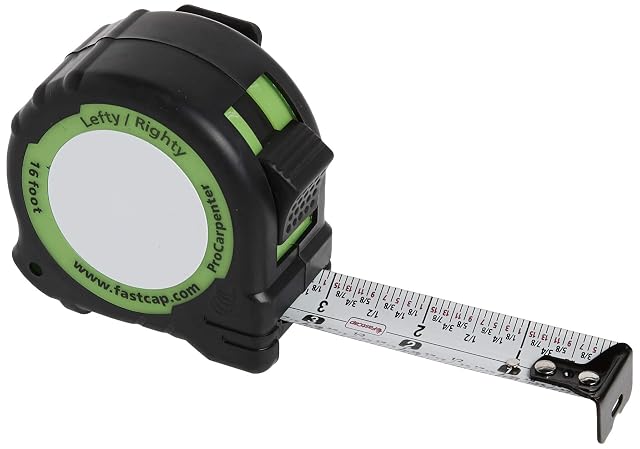
FastCap PSSR16 ProCarpenter reverse tape, 16 ft

The only tape measure on this shelf — and it reads the right way up whichever hand is holding it.

FastCap ProCarpenter reverse reading tape measure with notepad, product photograph

FastCap PSSR16 ProCarpenter reverse tape, 16 ft

The only tape measure on this shelf — and it reads the right way up whichever hand is holding it.

Length
16 ft — 4.88 m
Scale
Standard and standard reverse: readable when extended from either the right or the left hand — the only reverse scale on this shelf
Graduations
Fractions to 1/16 in, stated easy-read
Blade
1 in wide, with a four-rivet nose clip
Sharpener
A pencil sharpener built into the case
Notepad
An erasable notepad on the case
Protection
A rubber boot
Part number
PSSR16
Amazon reference
B0001GUE3G
EAN
0300716033645
  • Reads correctly from either side, which is what a tape is wrong about
  • A pencil sharpener in the case, so the marking tool is where the measuring tool is
  • No metric scale at all

Best for: Cutting a sheet or a carcase on site, where the tape is read from whichever side the work allows

≈ $9
Check price on Amazon

Specifications

Length
16 ft — 4.88 m
Scale
Standard and standard reverse: readable when extended from either the right or the left hand — the only reverse scale on this shelf
Graduations
Fractions to 1/16 in, stated easy-read
Blade
1 in wide, with a four-rivet nose clip
Sharpener
A pencil sharpener built into the case
Notepad
An erasable notepad on the case
Protection
A rubber boot
Part number
PSSR16
Amazon reference
B0001GUE3G
EAN
0300716033645

Every figure below names its source. Each one is a manufacturer specification read off the listing itself. The judgments are ours.

It reads both ways

An ordinary tape is printed for a right-handed pull: hook on the left end of the work, blade running right, numbers upright.

Pull the same tape the other way — because a wall, a machine or a cabinet is in the way — and the numbers are upside down and counting towards you.

A reverse scale has a second set printed to be read from that side.

It sounds minor until a cut is marked wrong because a figure was read inverted. That is the error this fixes, and nothing else on either half of this shelf addresses it.

A sharpener, in the case

Because a blunt carpenter’s pencil marks a line two millimeters wide, and a two-millimeter line is a two-millimeter argument about where the cut goes.

Having the sharpener on the tape means it is in the hand at the moment the mark is made, rather than in a drawer across the shop.

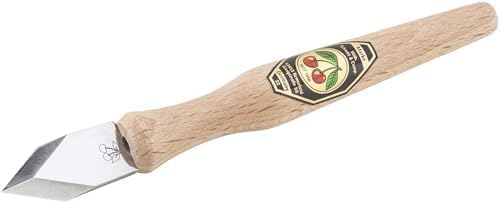
The published Kirschen marking knife on this shelf makes the stronger version of the same point: a pencil line has width and a knife line does not. For joinery that is right. For breaking down sheet goods, a sharp pencil is.

Four rivets in the nose clip

Which is where a tape dies.

The hook takes every pull, every drop and every snap-back, and a two-rivet clip works loose until the hook rattles — and a rattling hook is a millimeter of error at every measurement from an edge.

It is the only failure point this listing names, and it names it as a figure.

And no millimeters

Feet, inches and sixteenths, and nothing else.

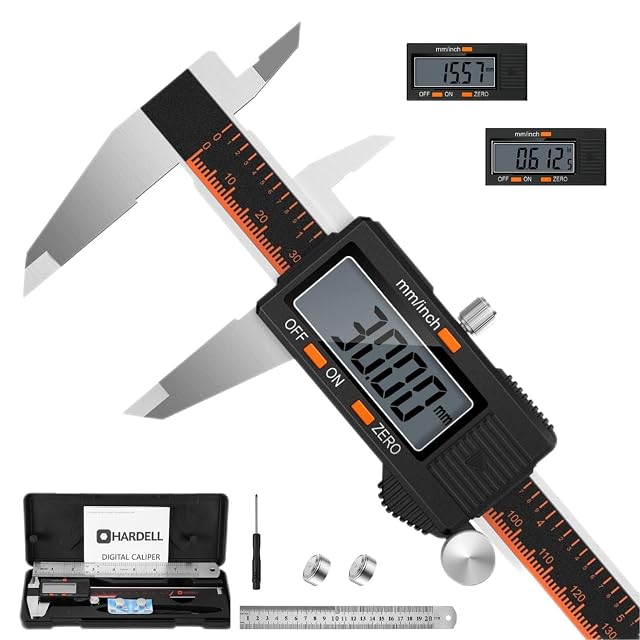
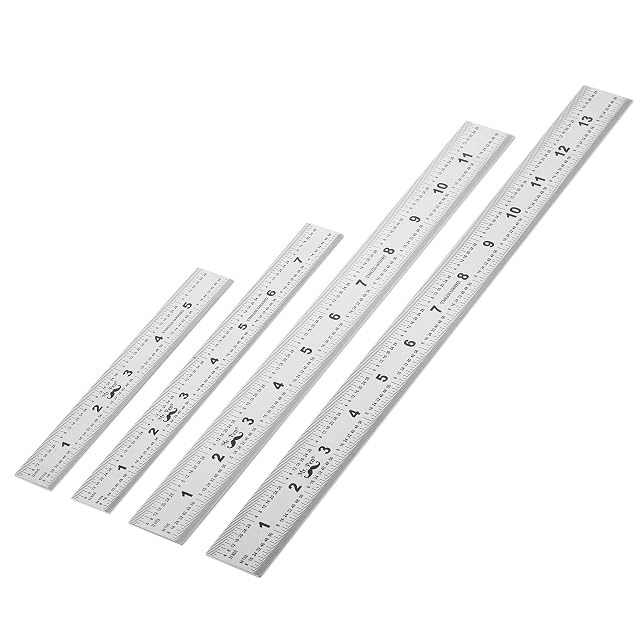
Every rule and caliper on both halves of this shelf carries two systems. This carries one.

For a shop working in millimeters it is the wrong tool. For one working from American dimensioned stock it is the right one, and the reverse scale is why.

Availability

Read on the day this page was built: $9 at the American Amazon shop.

Read from Keepa on the day this page was last revised; stock and price both move without notice.

Prices quoted in this text were read on 2026-10-07. The live price is at the top of the page.
What comes up most often

What is a reverse scale?

A second set of numbers printed to be read when the tape is pulled out to the left instead of the right. An ordinary tape is printed for a right-handed pull: hook on the left end of the work, blade running right, numbers upright. Pull the same tape the other way — because a wall or a machine is in the way — and the numbers are upside down and increasing towards you. A reverse scale is readable both ways. It sounds minor until a cut is marked wrong because the figure was read inverted, and that is the error this solves.

Does a pencil sharpener on a tape earn its place?

In a workshop, yes, for one reason: a blunt carpenter's pencil marks a line two millimeters wide, and a two-millimeter line is a two-millimeter argument about where the cut goes. The sharpener being on the tape means it is in the hand at the moment the mark is made rather than in a drawer. The published marking knife on this shelf makes the stronger version of the same point — a pencil line has width and a knife line does not — and for joinery that is the right answer. For breaking down sheet goods, a sharp pencil is.

Why no metric?

Because it is an American carpenter's tape, and the listing does not pretend otherwise: fractions to a sixteenth, feet and inches, nothing else. Every rule and caliper on both halves of this shelf carries both systems, and this does not. For a workshop working in millimeters it is simply the wrong tool; for one working from American dimensioned stock it is the right one, and the reverse scale is the reason to prefer it to any other.

All measuring & marking