Skip to content

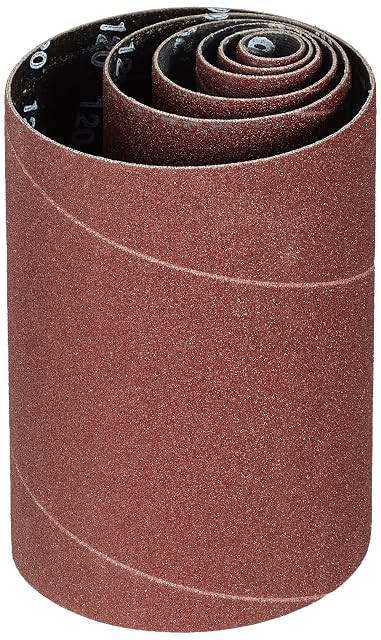
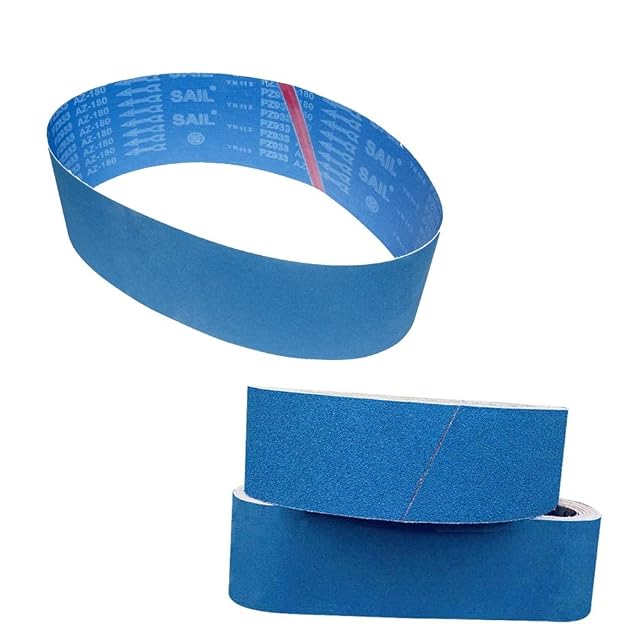
FEIHU 100 × 915 mm zirconia belts, set of 12

The standard belt size, in the standard grit progression, at €29 for twelve. This is the consumable that makes a bench sander worth owning.

Set of twelve sanding belts 100 x 915 mm, product photograph

FEIHU 100 × 915 mm zirconia belts, set of 12

The standard belt size, in the standard grit progression, at €29 for twelve. This is the consumable that makes a bench sander worth owning.

Size
100 × 915 mm (3.94 × 36 in)
Grits
60, 80, 100, 120, 240, 320 — two of each
Abrasive
Zirconia
Quantity
12
Amazon reference
B08M6CY9TN (identical on 5 markets)
EAN
0786297339992
  • 915 × 100 mm (36 × 3.94 in) is the common bench sander size — it fits the Scheppach BTS800 exactly
  • Six grits, so a full progression is covered from one purchase
  • Jumps 120 to 240, which skips a step in the progression

Best for: Feeding a 915 × 100 mm (36 × 3.94 in) bench belt sander for a year
Search Amazon for this model

Specifications

Size
100 × 915 mm (3.94 × 36 in)
Grits
60, 80, 100, 120, 240, 320 — two of each
Abrasive
Zirconia
Quantity
12
Amazon reference
B08M6CY9TN (identical on 5 markets)
EAN
0786297339992

Every figure below is a manufacturer specification read off the listing itself. The judgments are ours.

What the specification says

Twelve zirconia belts, 100 × 915 mm (3.94 × 36 in), two each of P60, P80, P100, P120, P240 and P320.

Why the size is the story

915 × 100 mm (36 × 3.94 in) is the de facto standard for a bench belt-and-disc sander, which means abrasive is cheap, available from many makers, and will still be available in ten years. A machine that takes an unusual belt costs the same to buy and considerably more to feed — which is why the Scheppach BTS800 review leads on its belt dimensions rather than its motor.

Saws this fits

What comes up most often

Does the 120-to-240 jump matter?

On a belt sander, less than it would on a flat panel — the belt leaves a straight scratch pattern that the next grit follows. But it is a real jump, and if the surface will take a clear finish it is worth adding a 180 belt separately.

Zirconia or aluminum oxide?

Zirconia is tougher and cuts faster under pressure, which suits the coarse end of the range and hardwood. Aluminum oxide is cheaper and leaves a slightly finer scratch at the same nominal grit. For a set that spans 60 to 320, zirconia is the sensible compromise.

All abrasives

Prices quoted in these summaries are dated readings. The live price is shown next to each product.