Blast gates · 6 pack
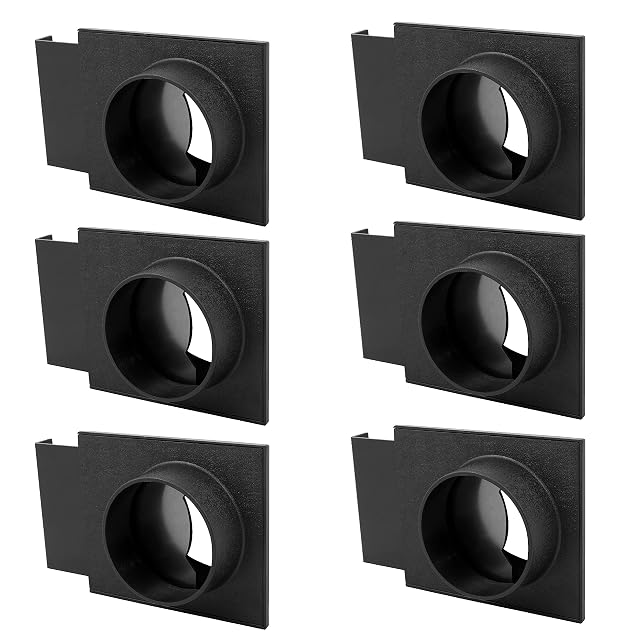
Fulton Woodworking Tools 12109 blast gates, 4 in, 6 pack
Six gates, which is how many a ducted shop needs — and a published stop, which is the complaint the shelf already had.
Every figure below names its source. Each one is a manufacturer
specification read off the listing itself. The judgments are ours.
Six, which is the quantity
A collector connected to five machines through open branches has no suction at
any of them.
It needs a gate at each machine, closed, so the air goes to the one in use.
The published single 100 mm (3.94 in) gate on this shelf is the right part in the wrong
quantity — its own page recommends it for a workshop with fixed ducting to two or
more machines.
Six is what a shop with a saw, a planer, a band saw, a sander, a router table
and a drill press installs.
A stop in the track
The only one published on either half of this shelf.
On cheap gates the slide runs in an open channel with nothing to retain it at
full travel, so it is dropped on the floor or into the duct — and a gate blade
loose in a four-inch pipe is a blockage with a handle.
A molded tab costs nothing and prevents it.
The published 100 mm (3.94 in) gate page here names the neighboring problem instead:
sawdust in the slide track is a recurring annoyance. No gate on this shelf
solves that one.
And they all leak
A sliding plate in a molded channel cannot seal across a hundred millimeters of
bore.
So a closed gate passes air, and a system with six closed gates passes six small
leaks — which the machine in use pays for.
The published 100 mm (3.94 in) gate page says the same in its cons. What a gate achieves
is shutting off most of an open branch, and most is the difference between
working extraction and none.
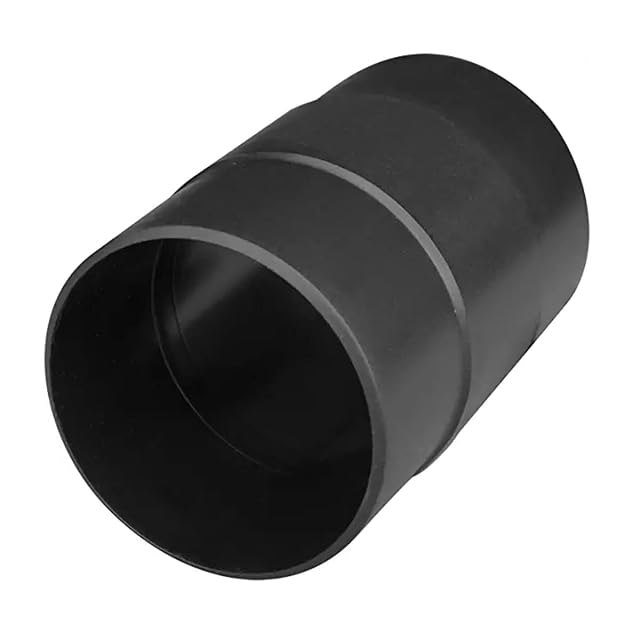
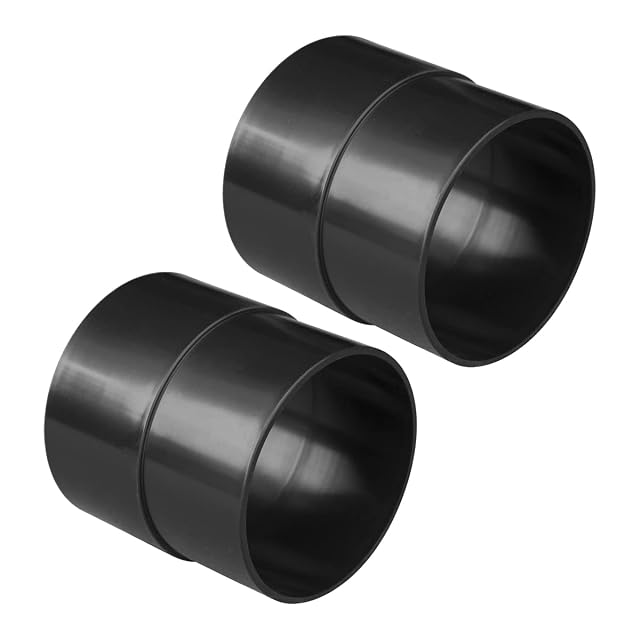
Tapered both sides
Which means a hose goes on either end, and the gate is not handed.
In a run that has been planned and then rebuilt twice, that is worth more than
it sounds.
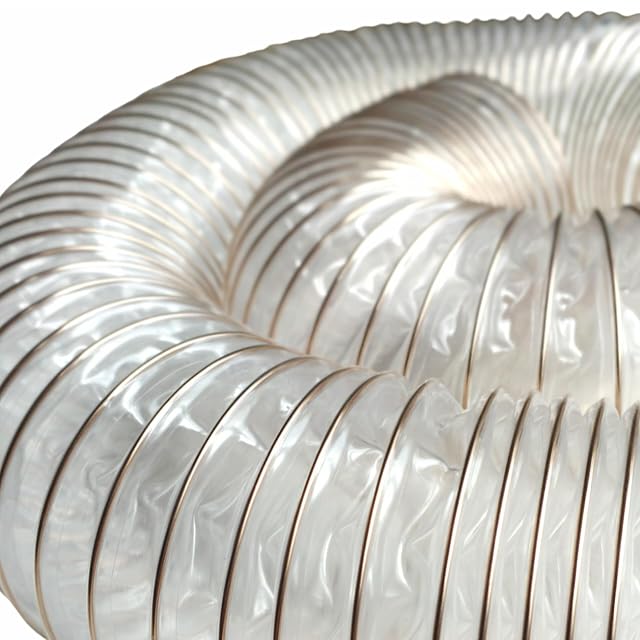
What is not in the box, stated twice: the hoses, and the clamps.
Availability
Read on the day this page was built: $30 at the American Amazon shop.
Read from Keepa on the day this page was last revised; stock and price both move without notice.
Prices quoted in this text were read on 2026-10-07. The live price is at the top of the page.
What comes up most often
Why six?
Because that is how many a branched system needs. A collector connected to five machines through open branches has no suction at any of them; it needs a gate at each machine, closed, so the airflow goes to the one in use. The published single 100 mm (3.94 in) gate on this shelf is the right part in the wrong quantity — its own bestFor says a workshop with fixed ducting to two or more machines. Six is the number a shop with a saw, a planer, a band saw, a sander, a router table and a drill press actually installs.
What does the built-in stop fix?
A gate pulled fully open coming out of its track and landing on the floor. On cheap gates the slide runs in an open channel and nothing retains it at the end of travel, so it is lost or dropped into the duct — and a gate blade loose inside a four-inch pipe is a blockage with a handle. A stop is a molded tab, costs nothing, and this is the only listing on either half of this shelf to publish one. The published 100 mm (3.94 in) gate page here names the related problem instead: sawdust in the slide track is a recurring annoyance.
Do blast gates leak?
Yes, all of them, and the cheap ones more. A sliding plate in a molded channel cannot seal against a hundred millimeters of bore, so a closed gate still passes air — which means a system with six closed gates passes six small leaks, and the machine in use loses that much. The published 100 mm (3.94 in) gate page on this shelf says exactly this in its cons. What a gate does achieve is shutting off most of an open branch, and most is the difference between working extraction and none.