Skip to content

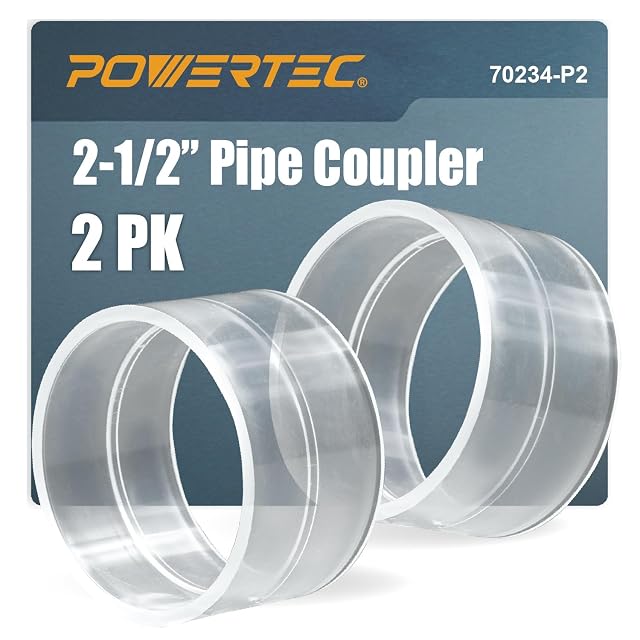
POWERTEC 70234-P2 pipe coupling, 2-1/2 in, 2 pack

The only transparent fitting on this shelf — which on the diameter that blocks most often is the specification that counts.

POWERTEC 70234 clear pipe coupling, pair, product photograph

POWERTEC 70234-P2 pipe coupling, 2-1/2 in, 2 pack

The only transparent fitting on this shelf — which on the diameter that blocks most often is the specification that counts.

Nominal size
2-1/2 in OD pipe — 63.5 mm (2.50 in)
Diameters
A tapered inner diameter opening at 2.49 in and an outer diameter of 2.74 in — 63.2 and 69.6 mm (2.74 in)
Function
Joins dust-collection pipes, components and fittings of 2-1/2 in OD, stated an airtight friction fit
Material
Clear premium-grade plastic, stated so blockages can be spotted and cleared — the only transparent fitting on this shelf
Compatibility
Stated to work with most shop vacuums, central home vacuums and centralized extraction systems
Quantity
2 couplings
Part number
70234-P2
Amazon reference
B0FL1W6QVN
EAN
0843441155942
  • Transparent, so a blockage is visible at the joint where blockages happen
  • Publishes a tapered bore and both diameters to two decimal places
  • No length published

Best for: A 2-1/2 inch hand-tool duct run, at the joints that block

≈ $20
Check price on Amazon

Specifications

Nominal size
2-1/2 in OD pipe — 63.5 mm (2.50 in)
Diameters
A tapered inner diameter opening at 2.49 in and an outer diameter of 2.74 in — 63.2 and 69.6 mm (2.74 in)
Function
Joins dust-collection pipes, components and fittings of 2-1/2 in OD, stated an airtight friction fit
Material
Clear premium-grade plastic, stated so blockages can be spotted and cleared — the only transparent fitting on this shelf
Compatibility
Stated to work with most shop vacuums, central home vacuums and centralized extraction systems
Quantity
2 couplings
Part number
70234-P2
Amazon reference
B0FL1W6QVN
EAN
0843441155942

Every figure below names its source. Each one is a manufacturer specification read off the listing itself. The judgments are ours.

Clear

The only transparent fitting on either half of this shelf, and the reason to buy it.

Blockages form at joints. A step in diameter, a ridge of adhesive, a square shoulder — the first long shaving catches, and everything behind it packs.

In opaque duct that is found by tapping along the run. In a clear coupling it is seen.

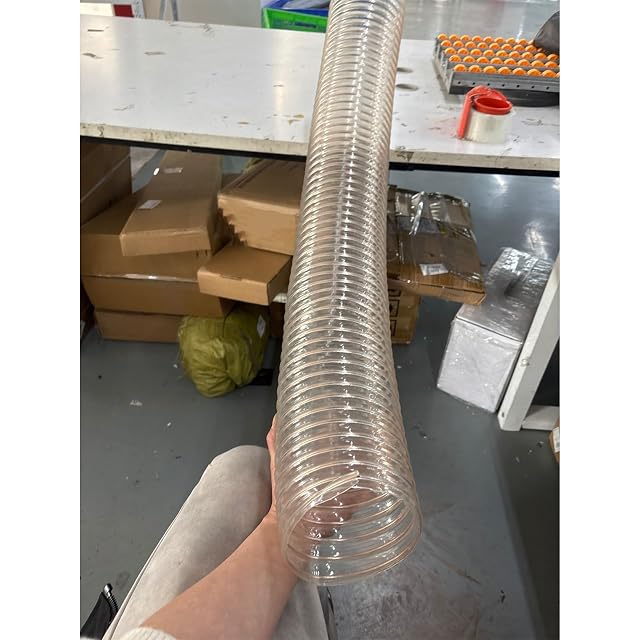
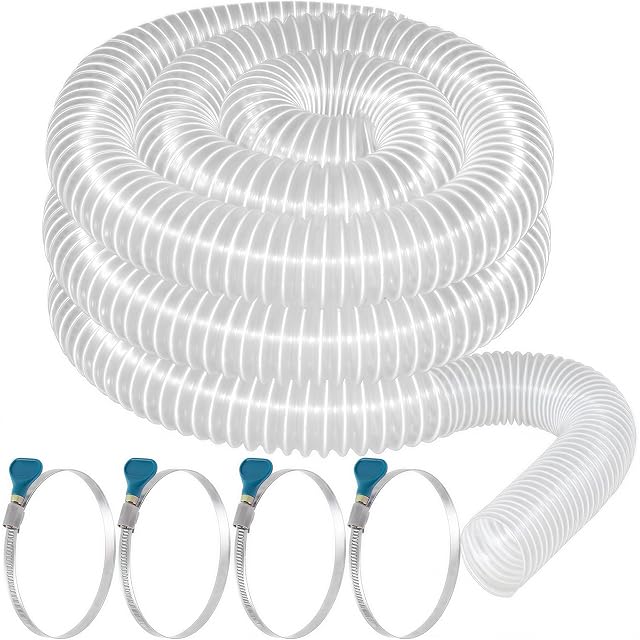
Two published pages on this shelf make the identical argument about hose, and both are transparent for it. This is the only fitting that is.

Two point four nine, tapered

An inner diameter that opens at 2.49 in and narrows, against an outer of 2.74.

A parallel bore either slides on loose or jams in the first inch. A tapered one grips progressively, so the pipe seats and stays.

The listing calls it an airtight friction fit. It is a friction fit, and on a duct that will be there in a year, tape or a clamp over the joint is what keeps it airtight through the vibration.

Why nominal is not a measurement

A four-inch fitting is not four inches anywhere on it.

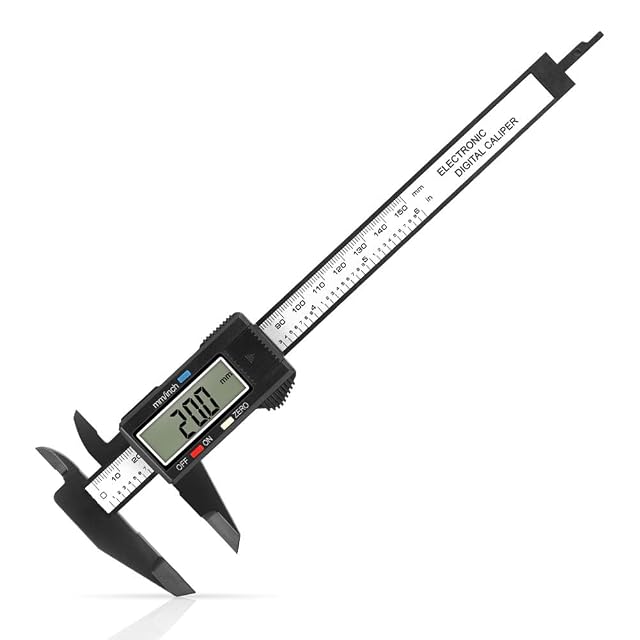
The POWERTEC listings on this shelf publish the actual figures: a four-inch nominal end measures 3-31/32 in across the outside and 3-39/64 in across the inside — 100.8 mm (3.97 in) and 91.7 mm (3.61 in). The difference between those two is the wall, and the difference between one maker’s outside and another’s inside is the leak.

That is what the shelf’s own intro means by the adaptors that never quite fit. Nominal sizing is a naming convention; the join is decided by the sixty-fourths.

Two and a half inches is a hand-tool size

Not a machine size.

A table saw or a planer port wants four inches, and 2-1/2 in front of it starves the machine — the extraction pages in this catalog are full of that arithmetic.

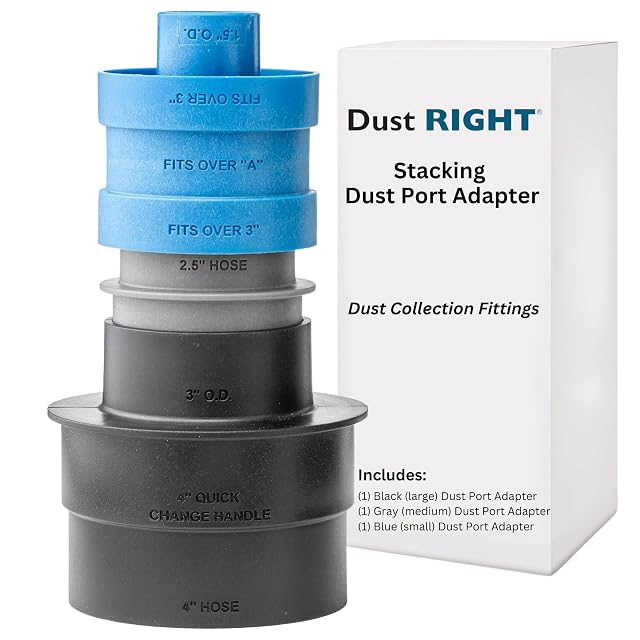
What 2-1/2 is for: a random orbital sander, a track saw, a biscuit joiner, a router. It is also the diameter a shop vacuum hose actually is, which is why the Rockler adapter set on this shelf steps down to it and below.

Availability

Read on the day this page was built: $20 at the American Amazon shop.

Read from Keepa on the day this page was last revised; stock and price both move without notice.

Prices quoted in this text were read on 2026-10-07. The live price is at the top of the page.
What comes up most often

Why does transparency matter on a coupling?

Because blockages form at joints. A step in diameter, a ridge of adhesive or a square shoulder catches the first long shaving, and everything after it packs behind. In opaque duct that is diagnosed by tapping along the run; in a clear coupling it is seen. Two published pages on this shelf make the same argument about hose — the Miko and the PU hose both being transparent, with transparent so a blockage is visible instead of guessed at in the pros. This is the only fitting here that does it.

Is 2-1/2 inches too small?

For machines, yes. A table saw or a planer port wants four inches, and putting 2-1/2 in front of it starves the machine — the published dust-extraction pages on this shelf are full of that arithmetic. What 2-1/2 is for is hand tools: a random orbital sander, a track saw, a biscuit joiner, a router. Those are the ports the Rockler adapter set on this shelf steps down to, and 2-1/2 is the diameter a shop vacuum hose actually is. It is the right size for the wrong machines and the wrong size for the right ones.

What does the tapered bore do?

It makes a friction fit into a seal. A parallel bore either slides on loose or jams on the first inch; a bore that narrows from 2.49 in grips progressively, so the pipe seats and stays. The listing calls it an airtight friction fit, which is the right claim for a push-fit joint and is still a friction fit — on a permanent duct run, tape or a clamp over the joint is what makes it stay airtight after a month of vibration.

All extraction fittings