Skip to content

ZPYXBH HSS bowl gouge, 1/2 inch

The one tool that makes bowl turning possible, at a budget price — and a listing that gives every dimension in inches.

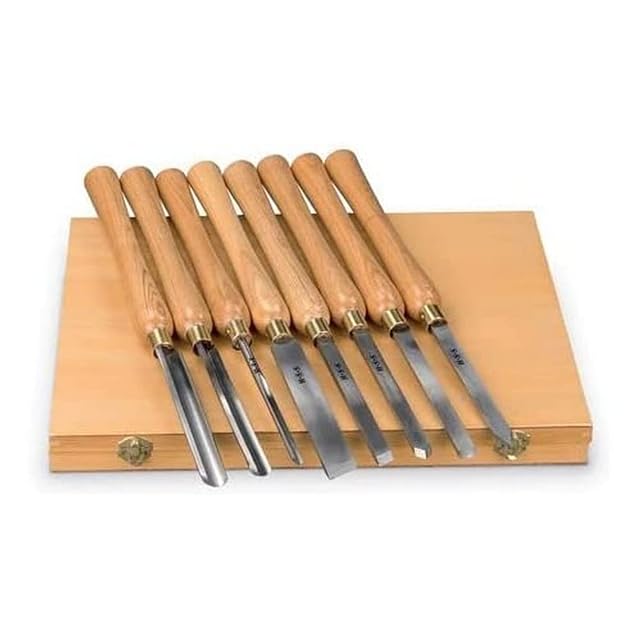
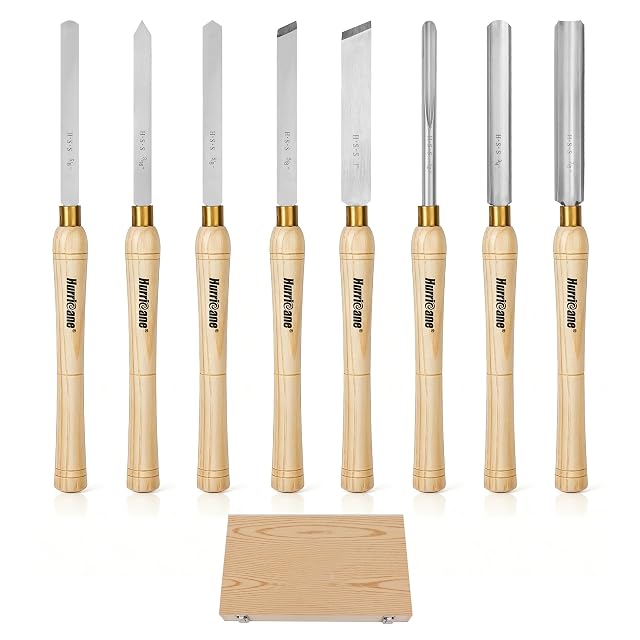
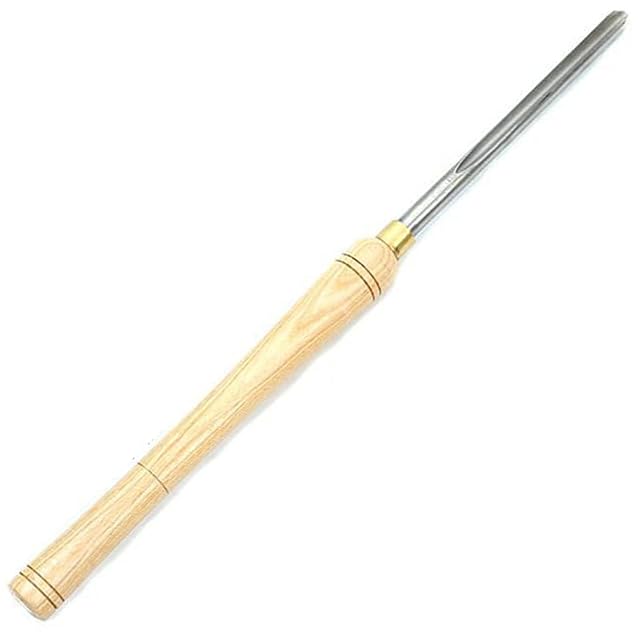
HSS bowl gouge with ash handle, product photograph

ZPYXBH HSS bowl gouge, 1/2 inch

The one tool that makes bowl turning possible, at a budget price — and a listing that gives every dimension in inches.

Flute size
1/2 inch — 1/4 and 3/8 inch also offered
Blade
High speed steel, 9 inch
Handle
Manchurian ash, 13.4 inch
Grind
Machine ground, sharpened
Part number
1464465947--64770283
Amazon reference
B0BPYCBH69 (identical on 6 markets)
EAN
1091464466111
  • HSS rather than carbon steel, so the edge survives a heating cut
  • A long handle, which is what gives leverage against a catch
  • Every dimension on the listing is in inches, with no metric equivalent

Best for: Hollowing bowls and end-grain boxes on a lathe with a chuck
Check price on Amazon

Specifications

Flute size
1/2 inch — 1/4 and 3/8 inch also offered
Blade
High speed steel, 9 inch
Handle
Manchurian ash, 13.4 inch
Grind
Machine ground, sharpened
Part number
1464465947--64770283
Amazon reference
B0BPYCBH69 (identical on 6 markets)
EAN
1091464466111

Every figure below is a manufacturer specification read off the listing itself. The judgments are ours.

What the specification says

A 1/2 inch high speed steel bowl gouge with a Manchurian ash handle, machine ground. The listing gives a 9 inch blade and a 13.4 inch handle, and offers 1/4, 3/8 and 1/2 inch flute sizes under the same page.

Inches on a metric listing

Turning tools are one of the few corners of European woodworking where imperial sizing survived, because the grinds and the jig settings came from British and American practice. It is not a mistake here, but it does mean nothing on this page can be checked against a metric machine specification, and it is why the flute size is quoted as it appears rather than converted.

Which size to start with

The half inch is the one most turners use for bowls, and the three sizes on this listing are three different tools rather than a set. Confirm the variant in the basket before ordering: a shared listing is the commonest way to receive the wrong one.

Saws this fits

What comes up most often

What makes a bowl gouge different from a spindle gouge?

The flute is deeper and the steel behind it is thicker, because a bowl gouge works unsupported out over the tool rest and takes the load of an interrupted cut as the bowl turns. A spindle gouge in the same situation flexes and then catches. They are not interchangeable, and the bowl gouge is the one that cannot be substituted.

Does it arrive ready to use?

It arrives machine ground, which is not the same as ready. A gouge needs the grind angle you personally work with, and it needs it again after every few minutes of cutting. Turning consumes edges faster than any other woodworking operation, so a grinder and a jig are part of the purchase whether or not they are in the same order.

All turning tools