Cleaning sticks · 2 pack
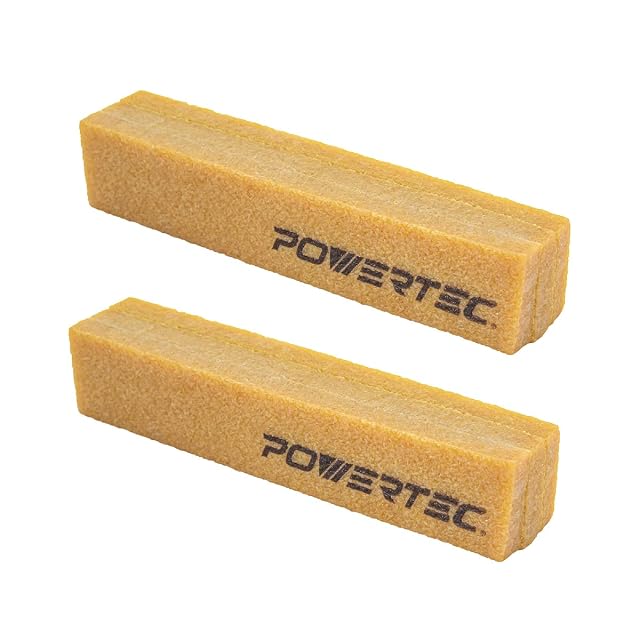
POWERTEC 71002-P2 cleaning stick, 8-1/2 in, 2 pack
Two sticks instead of one, from a listing identical to its single-stick sibling in every word but the quantity.
Specifications
- Quantity
- 2 sticks
- Stick size
- 8-1/2 × 1-1/2 × 1-1/2 in, published — about 19 cubic inches of rubber per stick
- Material
- All-natural rubber, stated professional grade
- Removes
- Sawdust, pitch, gum, glue and other residue, stated without damaging the grit
- Method
- Held against the abrasive while the sander is running, per the maker
- Named uses
- Sanding belts, disc sanders, drum sanders, skateboard grip tape, rubber-bottomed shoes
- Not for
- Plastic, and conveyor-feed type sanders — stated by the maker · Stated to work best on cured or dry residue
- Part number
- 71002-P2
- Amazon reference
- B099WMPH2W
- EAN
- 0843441111450
Every figure below names its source. Each one is a manufacturer
specification read off the listing itself. The judgments are ours.
Two, instead of one
Eight and a half inches by an inch and a half square, in natural rubber, twice.
The single-stick 71002 is on this shelf as well, and the two listings publish the
same five sentences — the same dimensions, the same four residues, the same two
exclusions, the same part number family.
The only difference in the text is the number in brackets.
So this is not a product comparison. It is a quantity one, and the two-pack
comes out at four fifths of the single stick’s price per stick.
What a cleaning stick actually does
Abrasive does not usually wear out. It clogs.
Resin, glue, filler and fine dust pack the space between the grains, and once
that space is full the grain cannot reach the wood — so a belt that still has
most of its abrasive left stops cutting and starts burnishing.
A rubber stick held against the running abrasive picks the packing out. The
grain is unharmed; the belt cuts again.
It is the cheapest thing in a workshop that extends the most expensive
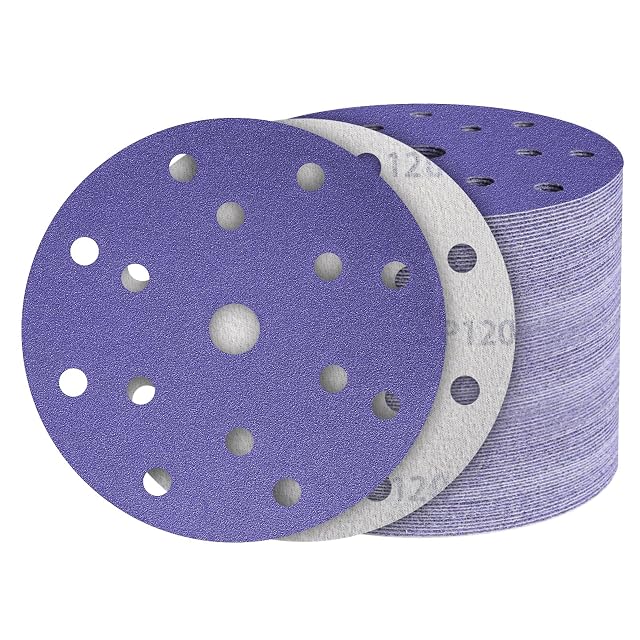
consumable in it — which is the argument the published mesh disc on this shelf
makes from the other direction, by not clogging in the first place.
And what it will not do
Plastic. Conveyor-feed sanders. Wet residue.
Three limits, published, and nothing else on either half of this shelf publishes
one at all.
The second is the one worth reading twice: a conveyor-feed or wide-belt sander
pulls stock through under a moving belt, and holding anything against that belt
by hand is not a thing to do. The maker says so plainly.
Nineteen cubic inches
Eight and a half by one and a half by one and a half, multiplied out.
That figure only exists because the listing publishes three dimensions. The
Peachtree stick on this shelf publishes two by two by twelve, which is
forty-eight — two and a half times the rubber in one stick.
Neither listing says how many belts a stick cleans, which is the number both
figures are standing in for.
Availability
Read on the day this page was built: $16 at the American Amazon shop.
Read from Keepa on the day this page was last revised; stock and price both move without notice.
Prices quoted in this text were read on 2026-10-07. The live price is at the top of the page.