Safety glasses · ANSI Z87
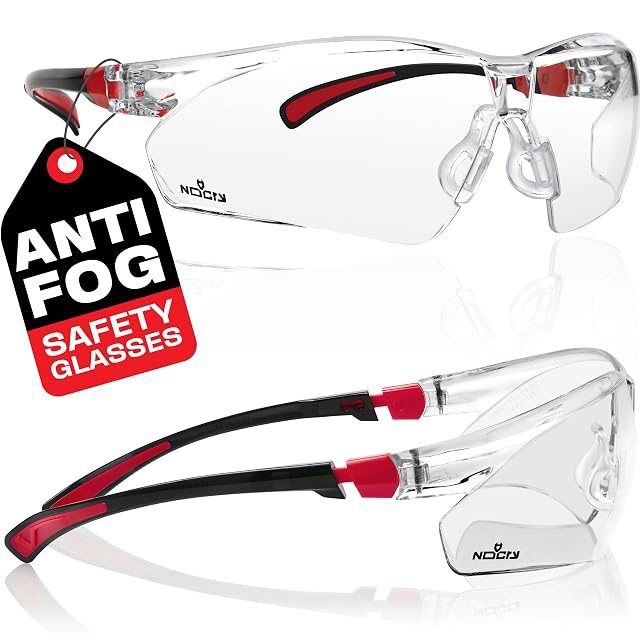
NoCry EyeArmor+ safety glasses
A named impact standard, two coatings and a lifetime warranty — on glasses whose comparison figures name nothing to compare with.
Every figure below names its source. Each one is a manufacturer
specification read off the listing itself. The judgments are ours.
ANSI Z87
A named standard, which is the useful half of this page.
Z87.1 has two impact levels. Basic impact is marked Z87 and is a drop-ball test.
High impact is marked Z87+, and means the lens survives a quarter-inch steel ball
at a hundred and fifty feet per second.
For routing, turning and anything that throws a chip, the plus is the one to
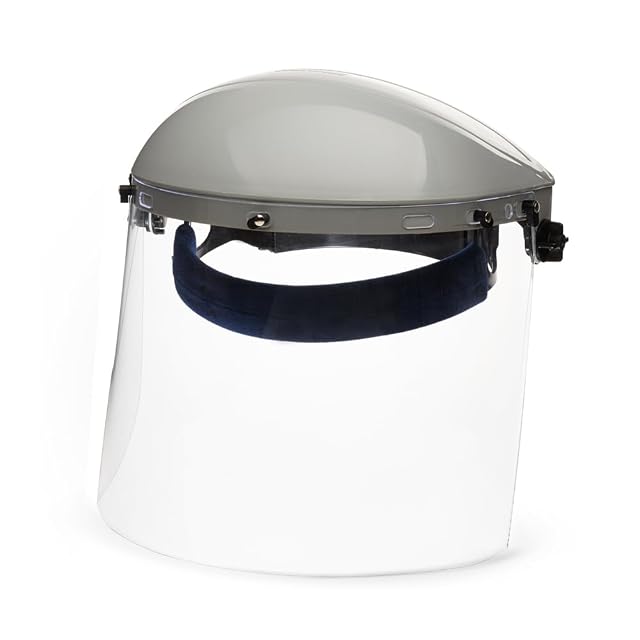
want. The Sellstrom shield on this shelf publishes Z87.1+. This publishes Z87.
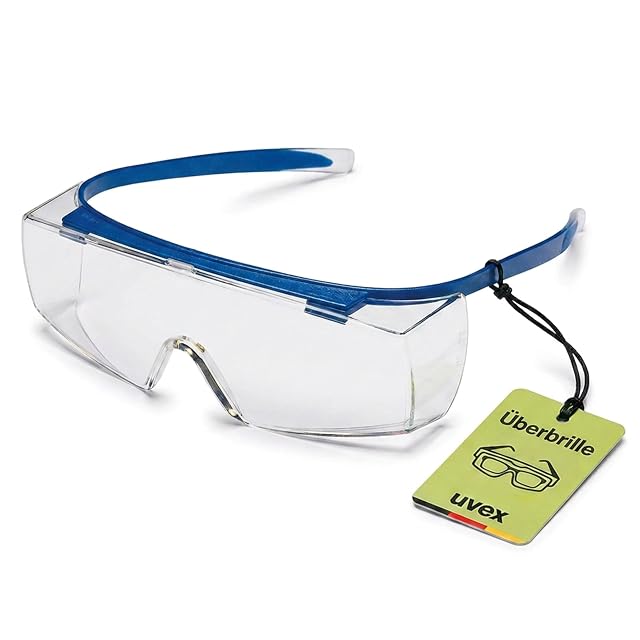
Naming the standard at all is more than the published over-glasses here manage,
and their own page says so in its cons: the listing states no EN impact rating.
Five times, and two times
More fog resistant and more scratch resistant than most clear protective
glasses.
No product named. No test named. No laboratory.
Unattributed multiples appear three times across this site’s American listings:
two carbide blade sets on the planer-knife shelf publish 30 and 10 per cent
against standard carbide, and a carbide turning set publishes twice the service
life.
All are printed as claims. On this page, the standard and the warranty are what
can be checked.
And the two coatings are the right two
Anti-fog inside, scratch resistant outside.
The published over-glasses page on this shelf names them as the pair that decides
whether eye protection gets worn at all, and it is correct: glasses that fog go
on the forehead, and glasses that scratch get thrown away.
A lens that does neither is a lens that is on the face when the chip arrives.
Wraparound, which rules out spectacles
Extendable arms and an adjustable nose pad sit the frame close, which is what
makes it comfortable — and what makes it incompatible with prescription glasses
underneath.
The published over-glasses on this shelf exist for that, and put it bluntly:
goes over prescription glasses, which is the reason most people go unprotected.
Two products, two faces.
Availability
Read on the day this page was built: $14 at the American Amazon shop.
Read from Keepa on the day this page was last revised; stock and price both move without notice.
Prices quoted in this text were read on 2026-10-07. The live price is at the top of the page.
What comes up most often
What does ANSI Z87 mean, and what does the plus sign add?
Z87.1 is the American standard for eye protection, and it has two impact levels: basic impact, marked Z87, and high impact, marked Z87+. High impact means the lens survives a quarter-inch steel ball at 150 feet per second; basic impact is a drop-ball test at much lower energy. For routing, turning and anything that throws a chip, the plus is the one to want — the Sellstrom face shield on this shelf publishes Z87.1+ and this listing publishes Z87. Naming the standard at all is more than the published over-glasses on this shelf manage, and their page says so in the cons.
Five times more fog resistant than what?
Not stated. The listing says the coating is 5x more fog resistant and 2x more scratch resistant compared to most clear protective glasses, and names no product, no test and no laboratory. Unattributed multiples appear three times on this site's American listings — two carbide blade sets on the planer-knife shelf publish 30 and 10 per cent against standard carbide, and a carbide turning set publishes twice the service life. All are printed as claims. The figures that can be checked on this page are the standard and the warranty.
Will they go over prescription glasses?
No. A wraparound frame with extendable arms and a nose pad sits close to the face, which is what makes it comfortable and what makes it incompatible with spectacles underneath. The published over-glasses on this shelf exist for exactly that, and their page makes the case bluntly: goes over prescription glasses, which is the reason most people go unprotected. The trade is also in that page's cons — over-glasses are bulky and sit away from the face. Two different products for two different faces.