The router sled
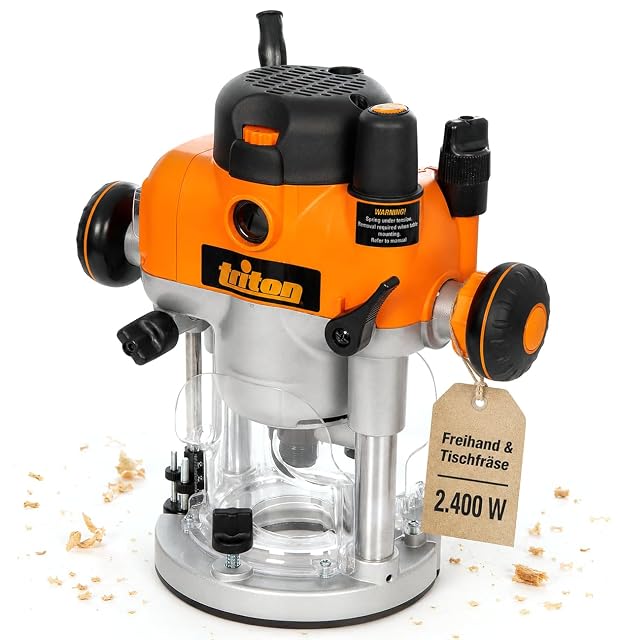
A flat rail on each side of the board, a bridge that rides on both, and a router with a large straight or spiral bit hanging from the bridge. Shim the board so it does not rock, and traverse. It is slow, it is loud, and it is dead accurate.
The hand plane
A jack plane across the grain to remove the high spots, checked with winding sticks, then a longer plane along the grain. Faster than it sounds on a board up to about a meter, and quieter than anything else in this list.
The planer sled
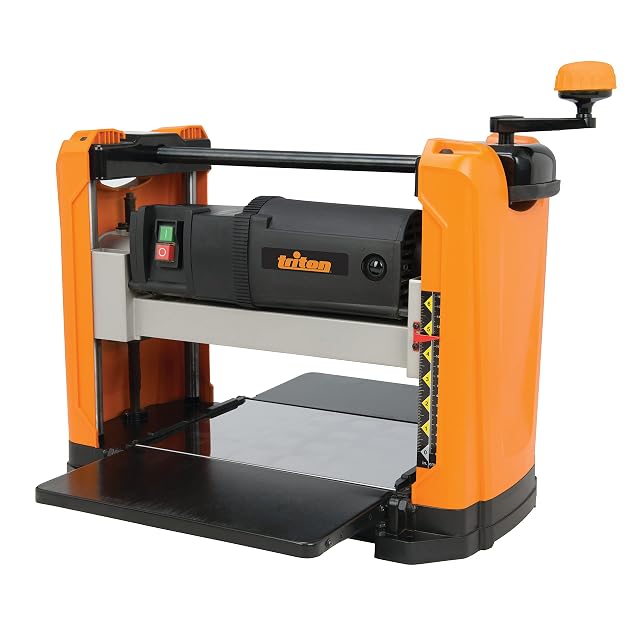
A flat board carrying the workpiece on shims, fed through the thicknesser together. The sled is the reference instead of the cupped face. Works well and the shims must not move.
Which to choose
Router sled for wide slabs. Hand plane for one or two boards. Sled for a batch of narrow stock.
This does not replace your machine’s manual. Guards, riving knives and safe working procedures differ between machines, and the manufacturer’s instructions for yours take precedence over anything written here.
What comes up most often
Why can the thicknesser not do it?
Because its rollers press the board flat against the bed as it feeds. The cutter removes a parallel layer, the board springs back afterwards, and the twist is still there.
Last reviewed 2026-08-12